
Redefining the Global Narrative: Young Designers Lead Africa’s Fashion Future at AFWN 2025
By Bianca Iboma Africa Fashion Week Nigeria (AFWN) 2025 was not just a fashion showcase,…

By Bianca Iboma
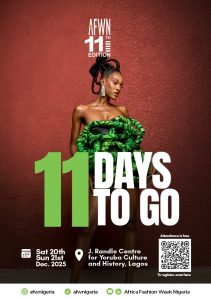
Africa Fashion Week Nigeria (AFWN) 2025 was not just a fashion showcase, it was a powerful statement from a new generation of African designers redefining the continent’s fashion identity on a global scale. Held on December 20 and 21 at the iconic J. Randle Centre for Yoruba Culture and History in Onikan, Lagos, the event unfolded as a bold cultural festival themed “The Naija December Experience,” placing young creatives at the heart of Africa’s evolving fashion narrative.

Talyna
From the moment the gates opened, it was clear that AFWN 2025 was about ownership, visibility, and global relevance. Against the backdrop of one of Lagos’ most culturally significant landmarks, emerging designers presented collections that seamlessly merged heritage with innovation–proving that African fashion is no longer asking for space on the global stage, but confidently claiming it.
Young Designers, Global Vision
At the core of AFWN 2025 was a spotlight on young designers pushing boundaries with fearless creativity and refined craftsmanship. Labels such as Rhaychaelle, CHARMS-XVI Luxury, Nandari, Drip Tie, Momoposh, Binta Badmus , Naile , Aorah Teetee, Shaykara, Sisi Swing, Prince and Helen Keshi -Klass Kay, Nailé, Tidé Chen Lagos, and others demonstrated that African fashion today is driven by fresh perspectives rooted in cultural pride but shaped by global sensibilities.
From sculptural silhouettes and artful tailoring to fluid modest wear, contemporary bridal, streetwear, and accessories, these designers showcased collections that resonated far beyond Lagos. Their work reflected a generation fluent in storytelling, one that understands fashion as both cultural expression and economic power.
A Cultural Platform with Purpose
The choice of the J. Randle Centre added depth to the experience, reinforcing fashion as a living archive of African history. Traditional textiles such as Aso-oke, Adire, Ankara, Batik, Kenté, Faso Dan Fani, and Bogolan appeared across collections–reimagined through modern cuts, bold styling, and youthful energy. Each look carried narratives of identity, heritage, and aspiration, positioning African fashion as timeless rather than trend-driven.
AFWN’s festival-style format further amplified this message. Beyond the runway, designers engaged directly with buyers, media, and fashion enthusiasts through exhibitions, pop-up markets, cultural showcases, and creative conversations. This immersive approach fostered meaningful connections, essential for young designers seeking sustainable growth and international reach.
Economic Impact Meets Creative Power
AFWN Convener Olori Aderonke Ademuyilu Ogunwusi emphasized the industry’s growing economic influence, noting that African fashion is now valued at over $31 billion globally.
“AFWN is more than a fashion event–it’s a movement,” she said. “We’re empowering young designers and artisans to turn creativity into opportunity. Over 500 jobs have been created across the value chain, from tailors and artisans to content creators.”
Her vision was reinforced by the presence of His Royal Majesty, Oba Adeyeye Enitan Ogunwusi, Ojaja II, the Ooni of Ife, who attended as Ambassador Plenipotentiary of AFWN. His involvement symbolized the bridge between tradition and the future–affirming young designers as cultural ambassadors shaping Africa’s global image.
Rising Stars And Industry Recognition
One of the most defining moments of the weekend was the Rising Star Award, presented by the Ooni of Ife to Sarah Ajayi, whose work exemplifies the innovation driving Africa’s fashion renaissance. Her recognition reflected AFWN’s commitment to nurturing emerging talent and positioning them for international success.
Runway highlights from brands such as Adire Oodua, Iffizi, Gele by Adejoke, Black Adudu, Kwara Collection, Desile Lagos, and House of Lunettes further illustrated the diversity and strength of Africa’s fashion ecosystem, where young designers and established names coexist, collaborate, and thrive.
Youth Culture, Influence & Modern Identity
Day Two’s Nigerian Traditional Wedding Showcase celebrated regal aesthetics and Yoruba bridal artistry, while the influencer catwalk—featuring personalities like Phyna, Koyin, and Hermes, highlighted the role of digital culture in amplifying African fashion globally. These moments captured how young designers are leveraging modern platforms to tell African stories to the world.
The Future Is African—and Youth-Led
AFWN 2025 reaffirmed Lagos as Africa’s creative capital and solidified the event’s reputation as a launchpad for the continent’s next fashion leaders. By centering young designers, celebrating heritage, and embracing innovation, the event proved that African fashion is no longer peripheral–it is influential, profitable, and globally relevant.
As the show came to an end, one truth stood firm: Africa’s fashion future is being written by its youth, bold, visionary designers redefining style, identity, and global perception. African fashion is not a trend. It is a movement, and its next chapter has already begun.
Check photos below: